
black by design
about the pop-up


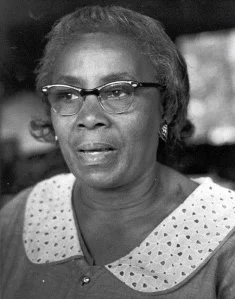
The Legacy of Mama Seppie
the history
Stakes Is High pays homage to Septima Poinsette Clark, known to many as "Mama Seppie," and to her design, implementation, and teaching of the Citizenship Schools she built on Johns Island, South Carolina. After being forced out of her Charleston teaching post over her unrelenting affiliation with the NAACP, Mama Seppie became director of workshops at Highlander Folk School and, from there, opened the first Citizenship School.
Sixty-five years later, Mama Seppie's Citizenship School Pedagogy created a network of teachers, Black women, and fostering classrooms where direct questions about their current situation were met with immediate responses on where to find employment offices, where they were, and what hours they kept. Answers went down on dry cleaner's bags where they didn't have blackboards. That classroom became a place where citizens learned how their local government worked and how a registered vote could change their situations.
Though three days of Stakes Is High cannot hold a candle to the scale of Mama Seppie's impact and Citizenship Schools Pedagogy, nor the decade of organizing across Septima, Bernice Robinson, and Esau Jenkins did across the South. The intention with this gathering is to pick up where their legacies left off and answer the questions from the people, with answers from the people, with community made by the people, in real time - equipping folks the best way we can.
hip-hop
“I don’t know what y’all are going through, but you all better do something… I’m trying to tell you, stakes is high.” — Fudge & De La Soul, 1996
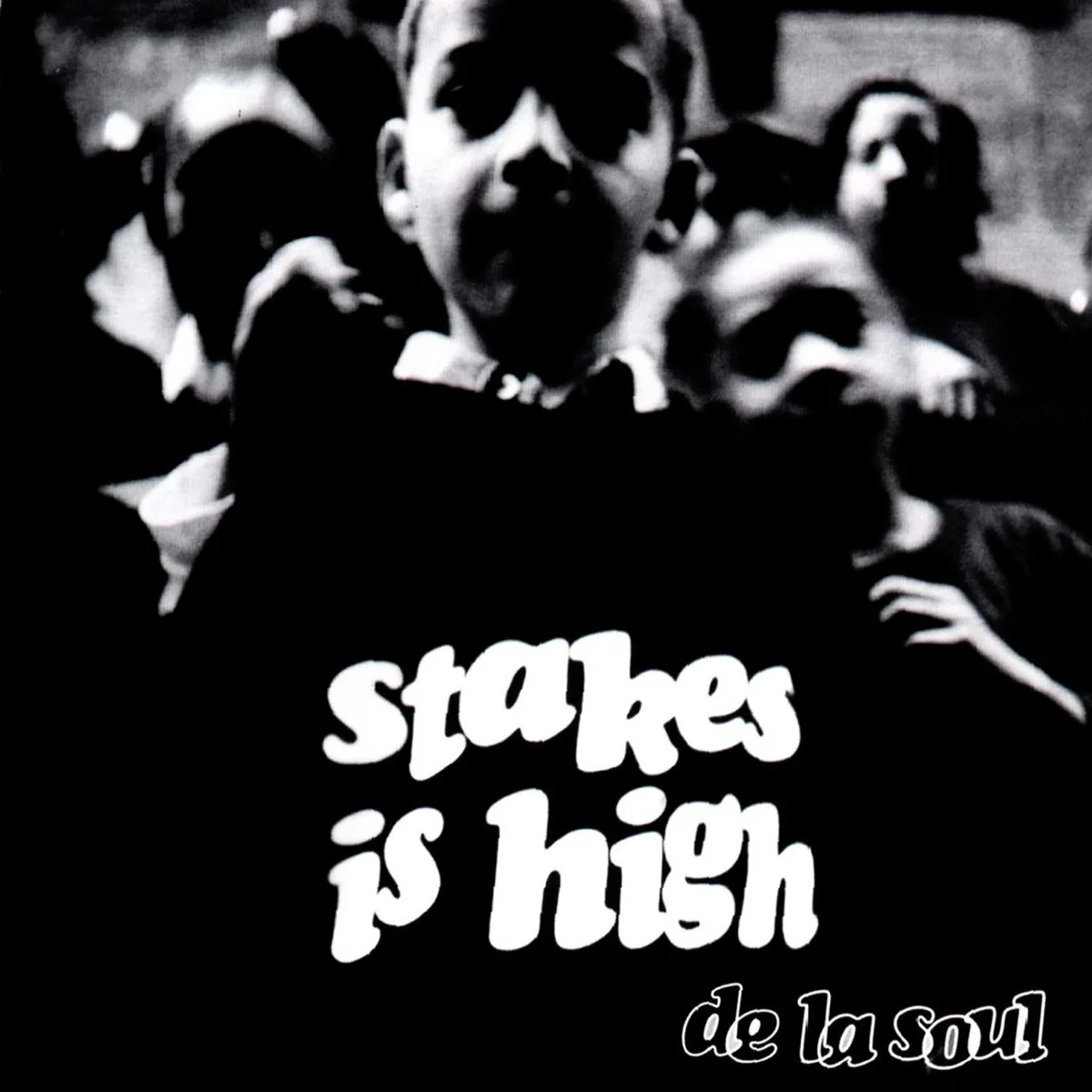
Stakes Is High pays homage to De La Soul's 1996 album of the same title, “Stakes Is High.” In a 2016 Okayplayer interview conducted by Eddie "STATS" Houghton, De La Soul revealed, ten years after the album was released, how Fudge, a cousin of one of the founding members (Dave/Plug 2), inspired the title:
“The title ‘Stakes is High’ was really birthed from Dave’s cousin Fudge, who passed away a couple of years ago. Fudge was murdered in Atlanta; he was a taxi driver. He got murdered, but around this time, he was always like …we always credit him to be like a hip-hop analyst, and he would always be very passionate. He would be very passionate about his discussions. He almost appeared to be argumentative, but he would just be really passionate about his discussions with hip-hop.”
Thirty years later, Fudge's words to De La Soul are as relevant today as they were then. Though Fudge was referring to the state of Hip-Hop, the stakes are just as high as what gets taught in a classroom: the voice of the community and practices of creativity survive this moment and the climate we are in, and are all at risk of erasure.

The identity reflects the pop-up’s call to come, be equipped, and to respond to the urgent and subversive threat facing black academics, professionals, and community members. Each element is intentionally referential of both hope and peril.
The wordmark borrows from the De La Soul album artwork in its energetic undulating baseline and familiar lowercase font. Yet it reinterprets the liberties of De La Soul’s skewed letterforms through the silhouette and line of Aaron Douglas’ painting for Langston Hughes, The Negro Speaks of Rivers.
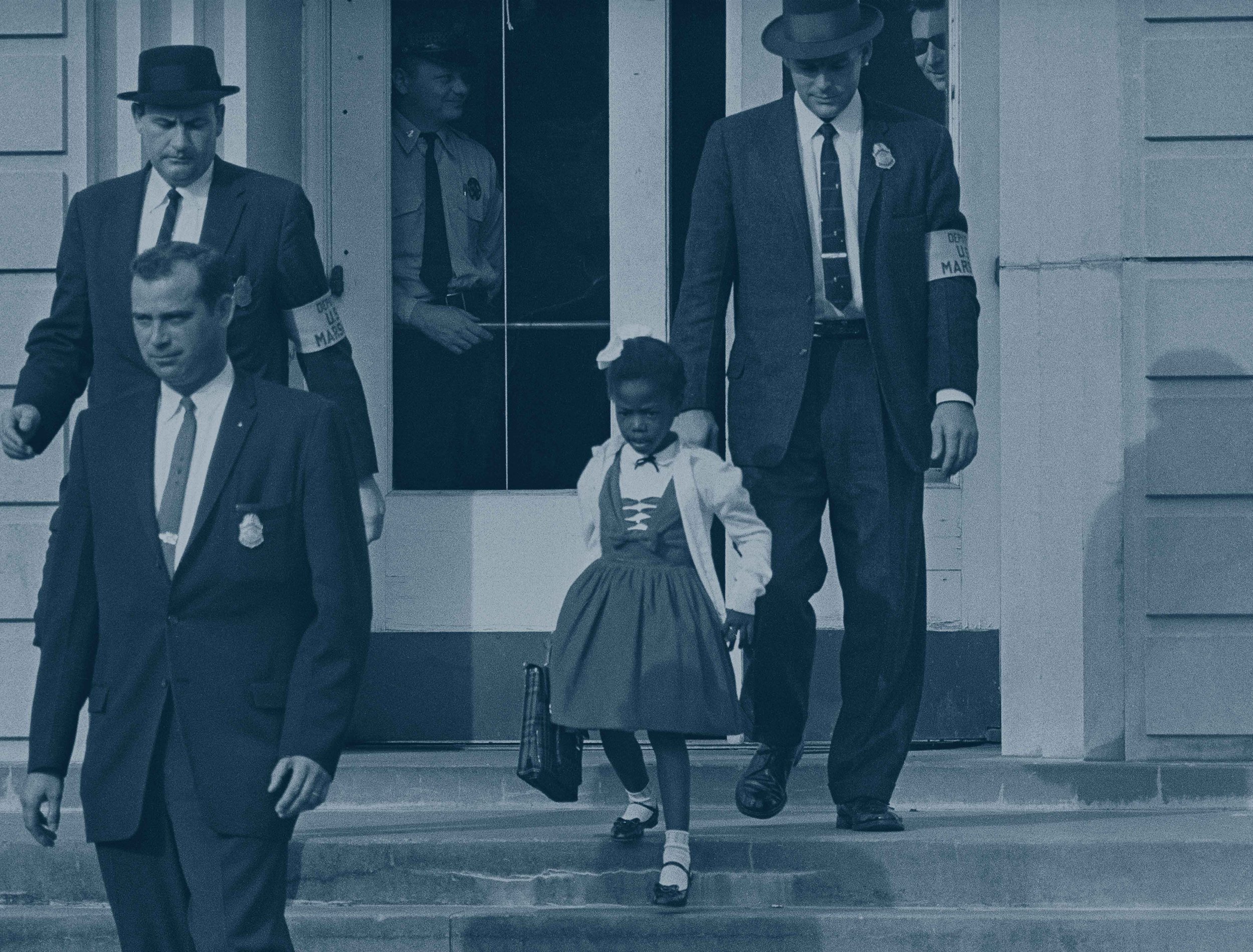
While the guiding photography of Stakes Is High invites viewers to ask what is missing from the iconic scene, the colors, called ‘wide sky’ and ‘deep water,’ are inspired by the essay We Are Water People by black artist Dominic Moore-Dunson. The blues, blacks, and white provide depth and flexibility to the identity while retaining the contrast of the works that inspired it.
the identity
the design
Rachel Hodrick is a designer and creative strategist. For the past 8+ years, she has approached projects like ethnography, using her obsession with cultural communication to see unspoken values and cultural vernacular. With international recognition for her creative direction and a lead-from-the-middle mentality, she leads the visual identity for Stakes Is High.
the designer
Stakes Is High by De La Soul (1996) album front cover
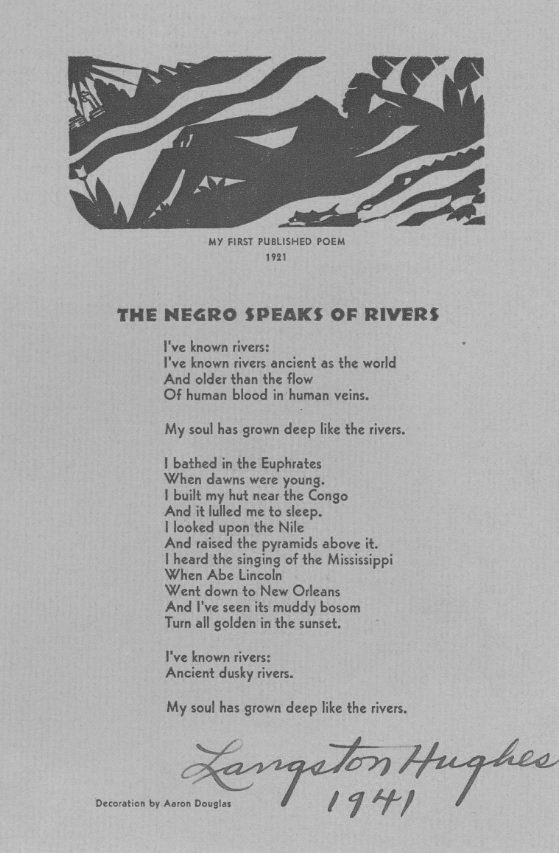
The Negro Speaks of Rivers by Langston Hughes with illustration by Aaron Douglas
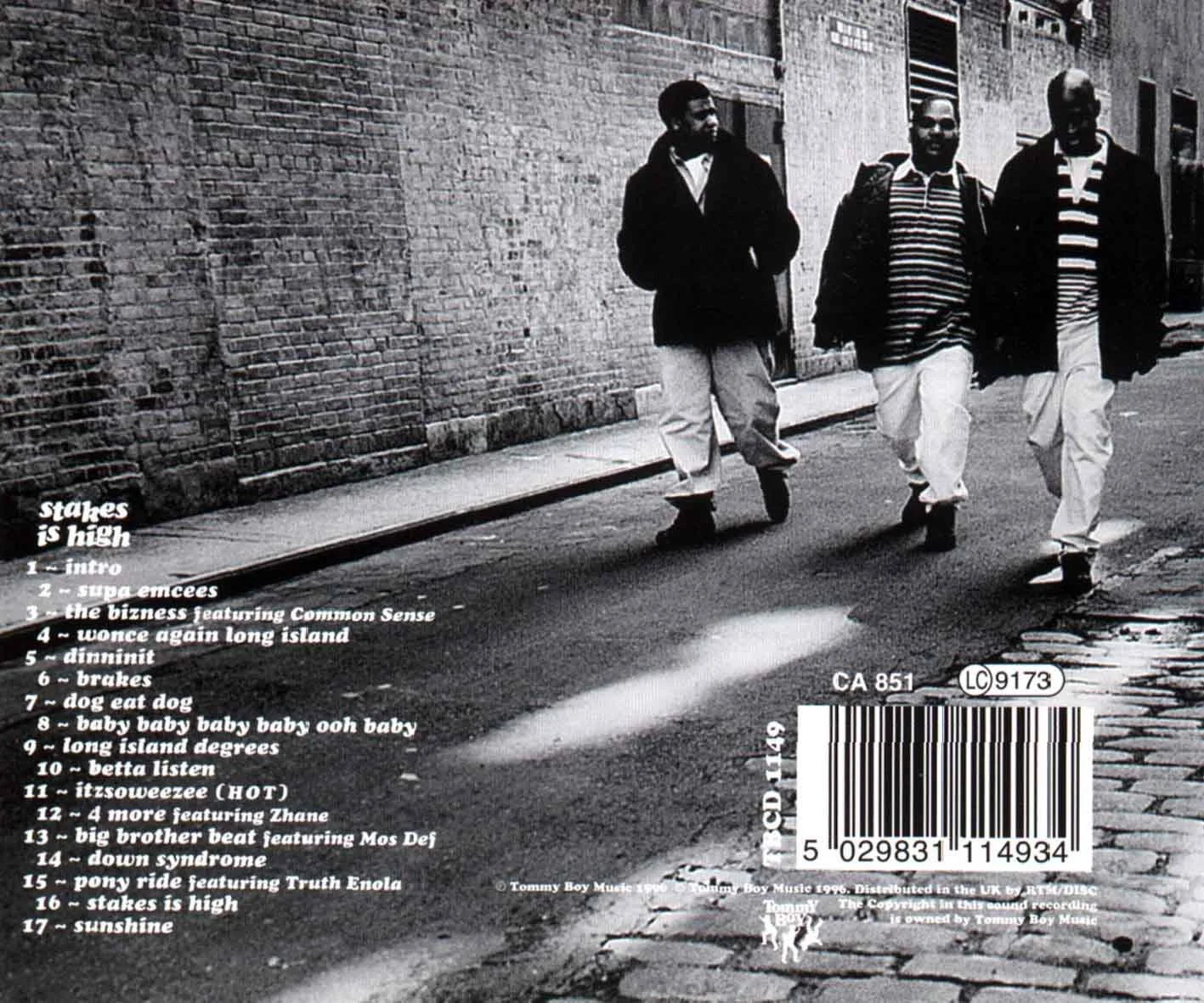
Stakes Is High by De La Soul (1996) album back cover
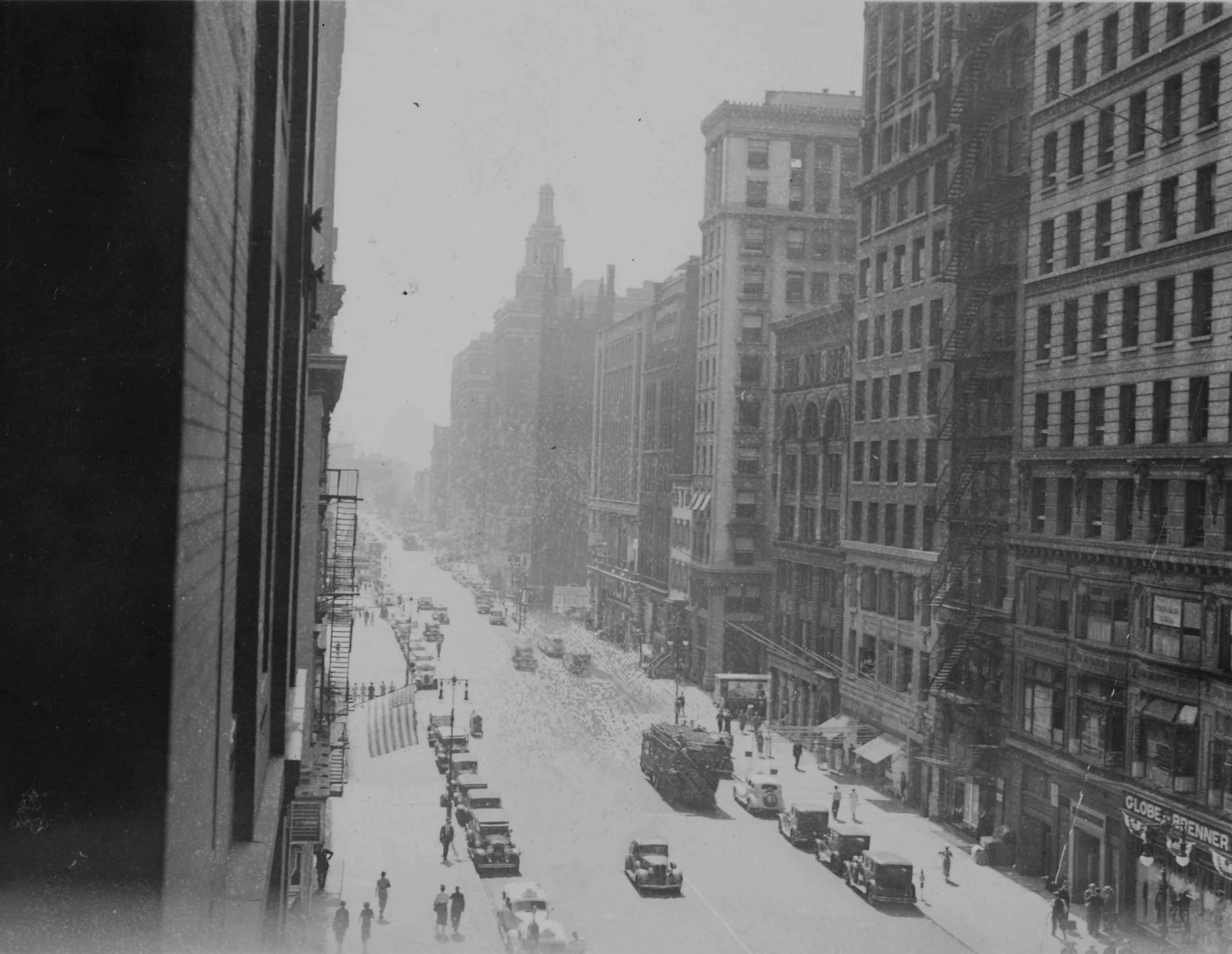
A version of a photograph from the NAACP Building on 5th St in NYC with a flag removed
footnotes/citations
tps://whospeaks.library.vanderbilt.edu/interviewee/septima-poinsette-clark.
De La Soul, Stakes Is High (Tommy Boy, 1996), streaming audio, 18 tracks, Spotify, accessed October 31, 2026, https://open.spotify.com/album/3jlC2uhYNrhikZXLviEnpu.
Front cover of Stakes Is High, by De La Soul, 1996, Tommy Boy. Art direction by M. Willems and De La Soul; design by Art Babe.
Back cover of Stakes Is High: 1. De La Soul, Stakes Is High (New York: Tommy Boy, 1996), front cover, art direction by Michelle Willems and De La Soul, design by Art Babe.
Houghton, E. (2016, July). In their own words: De La Soul reveals the secret history of 'Stakes Is High' [Interview with Maseo and Posdnuos]. Okayplayer, under the heading "On the Title Stakes Is High and the Vocal Interlude," accessed October 31, 2026, https://www.okayplayer.com/in-their-own-words-de-la-soul-reveals-the-secret-history-of-stakes-is-high/457894
Fudge was the cousin of De La Soul member David Jude Jolicoeur (widely known as Dave, Trugoy the Dove, or Plug Two).
Hughes, L. (1921, June). The Negro speaks of rivers. The Crisis, 22(2), 71.
A Man Was Lynched Yesterday,” photograph, 1936, NAACP photographic panels, Visual Materials from the NAACP Records, LOT 13123, no. 61, Prints and Photographs Division, Library of Congress, Washington, DC, https://www.loc.gov/pictures/item/2015647092/; digitally altered to remove the flag.
Other links
Library of Congress rights page for the NAACP visual materials: http://www.loc.gov/rr/print/res/086_naa.html
Library of Congress general rights information: https://www.loc.gov/rr/print/res/rights.html
A second Library of Congress record for the same flag photograph, dated 1936: http://www.loc.gov/pictures/item/95517117/
Rutgers Scarlet and Black Digital Archive copy: https://scarletandblack.rutgers.edu/archive/items/show/452